Black Friday Strategies Guide for Shoppers and Retailers

black friday
Black Friday Strategies: Shopping Trends and Consumer Behavior
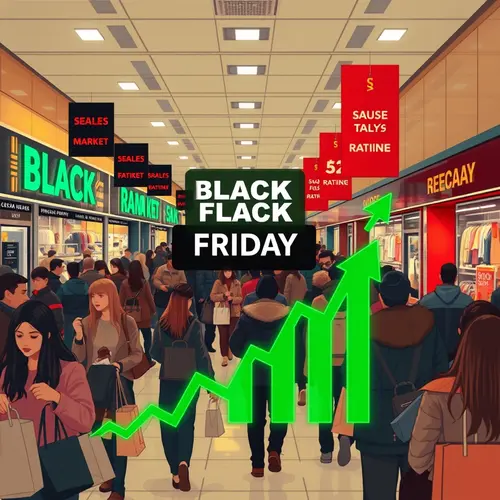
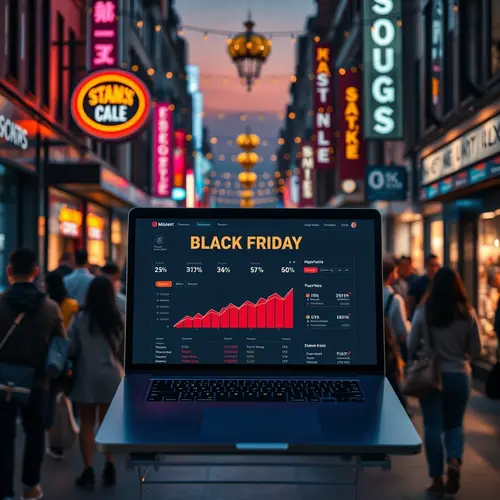
Surveys from the National Retail Federation show that over 70 percent of shoppers plan to make at least one purchase during the black friday weekend. Many consumers begin researching deals weeks in advance, using price‑tracking apps and email alerts to compare offers across categories such as electronics, apparel, and home goods. Retailers often see a spike in online traffic early Friday morning, with mobile devices accounting for nearly half of all visits. Brick‑and‑mortar stores still drive significant foot traffic, especially for door‑buster items that require in‑person pickup. Shoppers often perceive limited‑time offers as a chance to gain value, which triggers a fear‑of‑missing‑out mindset. This psychological cue can lead to larger basket sizes and impulse purchases across multiple categories. Retailers leverage countdown timers and stock‑level indicators to amplify this effect.Black Friday Strategies and Their Economic Impact
According to the U.S. Census Bureau, holiday season retail sales typically account for roughly 20 percent of annual total sales for many merchants. A significant portion of that uplift occurs during the black friday weekend, driving billions in revenue nationwide. The seasonal surge also creates temporary employment opportunities, with logistics firms and stores hiring additional staff for order fulfillment and customer service. These short‑term roles often serve as a gateway to longer‑term positions in the retail sector.Black Friday Retailer Preparation Tactics
Effective black friday preparation starts with a documented Black Friday promotion plan and inventory forecasting based on historical sales data and predictive analytics. Retailers align staffing levels, extend warehouse hours, and pre‑load promotional pages to handle expected traffic surges. Before the event, companies conduct load‑testing on their e‑commerce platforms to ensure site stability under peak traffic. They also coordinate with logistics partners to confirm delivery cut‑off times and backup inventory locations. Communication plans include clear messaging about return policies, shipping cut‑off dates, and limited‑time offers. Many chains also run flash‑sale events on social media platforms to create urgency and drive impulse buys.Black Friday Shopper Strategies for Maximizing Savings
Shoppers should set a clear spending limit before browsing deals to avoid overspending. Creating a prioritized list of needed items helps focus attention on genuine necessities rather than tempting extras. Using browser extensions or apps that track price history lets consumers verify whether a discount is truly significant. Setting up alerts for specific SKUs ensures they are notified the moment a desired product drops below a target price. Shopping early in the morning or late at night can reduce competition for high‑demand items, especially for door‑buster offers. Having payment information saved and checking out as a guest can speed up the process and lower the chance of cart abandonment.| Product Category | Average Discount (%) | Typical Door‑Buster Depth (%) |
|---|---|---|
| Electronics | 25 | 40 |
| Apparel | 30 | 45 |
| Home Goods | 20 | 35 |
| Toys | 22 | 38 |
| Beauty | 18 | 32 |
- Plan budgets and shopping lists ahead of time to avoid impulse buys.
- Use price‑tracking tools to verify genuine discounts before purchasing.
- Retailers should test website capacity and coordinate logistics well before the event.
- Monitor real‑time inventory levels to adjust promotions and prevent stock‑outs.
Retailer Playbook on a Small Budget
Small shops win with focused black friday strategies, not giant ad budgets. Pick one hero product, set a firm discount floor, and schedule cheap marketing ideas like email teasers and social countdowns. The best black friday strategies for independents pair scarcity with service: limited stock, extended returns, and free gift wrapping. Review hourly sales and double down on what moves; disciplined black friday strategies turn a single weekend into months of repeat buyers.
Shopper Checklist for Maximum Savings
Smart black friday strategies start before dawn. Build your list, set price alerts, and compare door-buster depth against October baselines so fake markdowns cannot fool you. Proven black friday strategies also stack savings: coupons, cashback apps, and store loyalty points on one receipt.
- Shortlist hero deals tonight; proven black friday strategies favor preparation over impulse.
- Check out fast with saved payment details before stock vanishes.
- Photograph receipts because disciplined black friday strategies end with easy returns.
Logistics decide whether the weekend feels triumphant or chaotic. Confirm warehouse staffing, print return labels in advance, and keep a small safety stock of hero items near packing stations. Answer delivery questions publicly on product pages so support tickets stay low while buyers stay confident. A short Monday debrief with numbers preserves every lesson for next year and sharpens future holiday campaigns. Update the playbook annually as channels evolve.
2026 refresh: most US big-box sales now start the Monday before Thanksgiving week, with doorbusters moving to app-only drops. Confirm your price-matching window early — several chains shortened theirs last season.
When do holiday door-buster deals actually start?
Most chains launch online previews two weeks early, then add batches at midnight and dawn on Friday. Track three target products for a month, note October baselines, and buy tonight when prices drop at least twenty percent below that mark.
How should retailers staff for the holiday rush?
Forecast foot traffic from last year, add ten percent buffer shifts, and cross-train cashiers for pickup counters. Brief every temp on returns, price matching, and stock checks so lines keep moving during peak hours. Post schedules early and confirm backup staff the night before Friday.
What is the simplest way to avoid overspending?
Set a firm budget, list must-buy items first, and leave cards at home when shopping in person. Online, fill carts early, compare totals with coupons applied, and sleep one night before buying anything unlisted. Review statements weekly to catch stray charges fast.